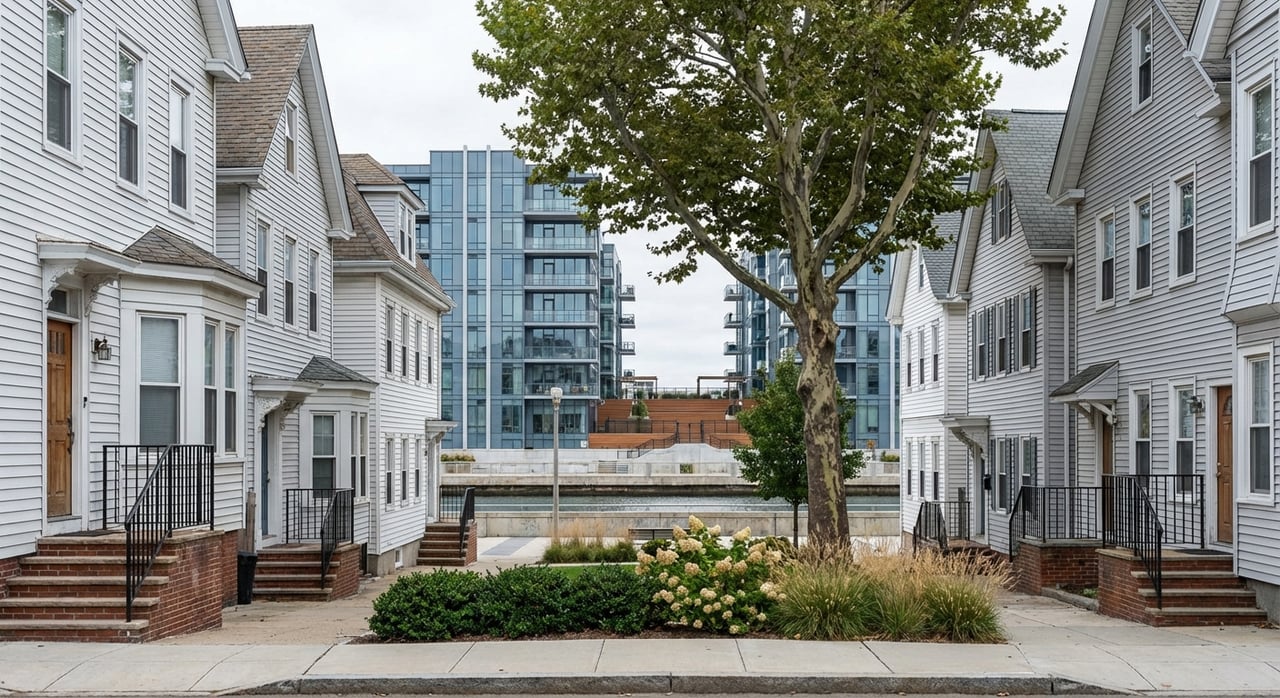
Picture sipping coffee on your balcony as the Manhattan skyline rises across the Hudson. If you are exploring real estate investments that balance strong rental demand with lifestyle appeal, West New York’s waterfront condos deserve a close look. You want clear numbers, real-world pros and cons, and a simple plan to move forward with confidence. This guide gives you a grounded view of prices, rents, yields, risks, and next steps tailored to West New York’s Port Imperial and riverfront corridor. Let’s dive in.
Why West New York’s waterfront stands out
West New York offers a value story for investors who want proximity to Manhattan without Manhattan pricing. According to Zillow’s neighborhood index, the typical home value sat near $458,000 as of January 2026. That is materially lower than Manhattan’s median prices, which helps your entry cost and expands your tenant pool.
Rental indicators show healthy demand and a premium for riverfront living. Recent rent indexes from major platforms in early 2026 placed West New York medians roughly between the low $2,700s and the mid $3,000s per month depending on bedroom count and exact location. Waterfront buildings with direct skyline views and full amenities often command higher rents than inland addresses. Treat these as directional ranges and verify current figures for the specific building and floorplan you are evaluating.
Local market notes point to steady, long-term demand for trans-Hudson rentals with some post-2021 normalization in price acceleration. Brokerage research for Hudson County indicates cap rates widened into the mid single digits in 2023–2024, after years of compression. That context helps set expectations for condo yields and future resale dynamics.
What the waterfront inventory looks like
The West New York waterfront centers on Port Imperial and the Riverwalk, a well-planned stretch of mid-rise and luxury condo communities built mainly in the 2000s and 2010s. Representative buildings include Grandview I and II, 20 Avenue at Port Imperial, Hudson Club, and Vista Pointe. Floor plans typically range from one to three bedrooms.
Common amenities include:
- Fitness centers and outdoor pools
- Concierge or doorman service
- On-site parking garages
- Balconies or terraces, many with Manhattan views
- Direct access to the riverside promenade and walking paths
Pricing spans a wide range. Historic listing and resale patterns show many 1-bedroom units beginning in the mid $500,000s, with larger, direct-view residences reaching seven figures. Newer or premium 2-bedroom homes can list above $1 million. Always confirm current comps, HOA dues, taxes, and any abatements before you underwrite returns.
A note on scale: the riverfront also includes larger mixed-use parcels and rental towers that reinforce the area’s draw for commuters and residents. For example, you can see the neighborhood feel and amenity mix at the riverfront community highlighted on the 55 Riverwalk Place property site.
Commute convenience and tenant appeal
Easy Manhattan access is a major driver of rental demand. The Port Imperial terminal provides direct service via NY Waterway ferries, with routes to Midtown and Downtown. Multiple NJ Transit bus lines connect West New York to the Port Authority and regional transit hubs.
Who typically rents here? Profiles often include NYC commuters, many in professional roles, who want shorter travel times and skyline views, along with local Hudson County households. Public data shows a high renter share in West New York and average commute times in the mid-30-minute range. You can explore the town’s demographics and housing patterns on DataUSA’s West New York profile.
Units closest to the ferry, bus stops, and the waterfront promenade tend to capture rent premiums. Full-amenity buildings, direct skyline views, and newer interiors also help reduce days on market.
Rents and yield math you can use
Think about returns in two layers: gross yield and net cash flow.
- Gross yield = annual rent divided by purchase price.
- Net returns require subtracting HOA dues, taxes, insurance, flood coverage if required, maintenance, management, and vacancy.
Here are simple illustrations based on the waterfront context:
- Example A, conservative 1-bedroom: $2,800 per month rent ($33,600 per year) on a $650,000 purchase. Gross yield is about 5.2%.
- Example B, premium-view 2-bedroom: $4,200 per month rent ($50,400 per year) on a $1,050,000 purchase. Gross yield is about 4.8%.
Net returns will come in lower after expenses. In New Jersey, property taxes and HOA fees can be meaningful line items, so precise underwriting matters. Given the cap-rate environment in Hudson County has moved into the mid single digits, compare your modeled net yield with local multifamily benchmarks to sanity-check risk and return.
For broader market context on cap rates and fundamentals, review a recent Hudson County market note from Matthews Real Estate.
Key expenses to underwrite carefully
Budget for these items upfront and verify each one for the exact unit:
- HOA or condo fees. These can range from a few hundred dollars to $1,500+ per month depending on unit size, amenity level, and whether utilities like heat, hot water, or water are included.
- Property taxes. West New York’s typical property-tax burden is above national averages. Confirm the actual tax bill for the unit or check median property tax data on DataUSA. If a PILOT or abatement applies, note any expiration date and how that may change future cash flow.
- Insurance. Obtain quotes for homeowners and, if applicable, flood coverage. Waterfront addresses can fall in FEMA-designated flood zones. Confirm the parcel at the FEMA Flood Map Service Center and budget for deductibles and any HOA master-policy gaps.
- Leasing and management. If you plan to hire a property manager, add management fees and expected turnover costs. A quick call with a local manager can help you calibrate market rent, concessions, and likely vacancy.
Rules, risks, and due diligence
Before you write an offer, run through this checklist for West New York waterfront condos:
- Rent regulation and registration. West New York has a rent-control chapter and landlord registration language in its municipal code. Applicability to a specific condo varies by unit and building, so confirm current rules and any amendments directly with the town or a local attorney. You can start with the Town of West New York code reference.
- Condo bylaws and leasing limits. Review the HOA’s resale package, bylaws, minimum lease terms, rental caps, subletting rules, and insurance requirements. Confirm any upcoming capital projects or special assessments and whether the association has a recent reserve study.
- Taxes, PILOTs, and abatements. Ask if the building benefits from a tax abatement and when it expires. A near-term break can boost cash flow now but change your net income later.
- Flood and climate risk. Check the address on FEMA’s map and request the building’s flood insurance details. Price your own policy options early.
- HOA reserves and building health. Read board minutes, the latest budget, and the reserve study. High amenities can carry higher monthly fees, and low reserves can lead to surprise assessments.
- Financing eligibility. Condo project approval and investor concentration can affect your mortgage terms. FHA loans generally serve owner-occupants, and conventional lenders apply condo-eligibility tests. Learn more about typical condo approval factors in this FHA condo overview.
- Local inspections and permits. Confirm whether landlord registration, rental inspections, or recurring fees apply. Start with the municipal code and verify with the clerk’s office.
A simple process to evaluate a unit
Use this step-by-step flow to move from curiosity to clarity:
- Identify 2–3 target buildings along Port Imperial or the riverwalk with the floor plans you want.
- Pull three current comps for each: one active, one pending if available, and at least one closed sale. Verify days on market and any price cuts.
- Confirm the HOA package: current dues, what is included, rental rules, percentage of investor-owned units, capital plans, reserve study, and any pending assessments.
- Call a local property manager for a rent and turnover check specific to your floor plan and view line.
- Verify the flood zone and request two flood quotes. Price your insurance conservatively.
- Check taxes and any abatement terms. Model cash flow for year 1 and at abatement expiry, if applicable.
- Compare your net yield against mid single digit cap-rate context for Hudson County. Revisit price or unit choice if your margin feels thin.
Where West New York fits in your portfolio
If you value strong commuter demand, modern amenities, and a lifestyle location, West New York’s waterfront can be a smart complement to a balanced portfolio. Entry prices are typically lower than across the river while tenant appeal remains high, especially for units with direct skyline views and convenient ferry or bus access. The tradeoff is higher operating costs in the form of HOA dues, property taxes, and potential flood insurance, so careful underwriting is essential.
When you are ready to run numbers on a specific building or to tour units on the river, connect with a local advisor who knows the buildings, HOA dynamics, and rental market seasonality. For a tailored plan and on-the-ground insight, reach out to Sonia Dasilva. Let’s connect.
FAQs
What makes West New York waterfront condos attractive to renters?
- Proximity to Manhattan via NY Waterway ferries, multiple NJ Transit bus routes, modern amenities, and skyline views that often justify premium rents over inland addresses.
How much rent should I expect for a 1–2 bedroom waterfront condo?
- Early 2026 rental indexes for West New York generally ranged from the low $2,700s to the mid $3,000s per month, with waterfront units and direct-view lines often above town medians. Verify for your exact building and view.
What expenses most impact net returns on riverfront condos?
- HOA fees, property taxes, and insurance (including flood coverage if required) are the big three. Confirm each item for the exact unit and budget conservatively using quotes and the HOA package.
Does West New York have rent control that affects condos?
- The town has rent-control and landlord registration provisions in its code. Applicability can depend on unit and building details, so confirm with the municipality or a local attorney using the code reference.
How do I check if a unit is in a flood zone?
- Search the address at the FEMA Flood Map Service Center and request the building’s flood insurance documents. Get quotes early to refine your underwriting.
How do financing rules affect condo investors?
- Condo project approval and investor concentration can influence loan options and rates. FHA financing is generally for owner-occupants, while conventional lenders apply condo-eligibility tests. See this FHA condo overview for common criteria.