Thinking about leaving New York City without giving up your commute? Bayonne is one of those places that keeps coming up for a reason. If you want a more residential feel, a wider mix of housing types, and workable access to Manhattan or Jersey City, Bayonne may deserve a closer look. Let’s dive in.
Bayonne has a more residential feel
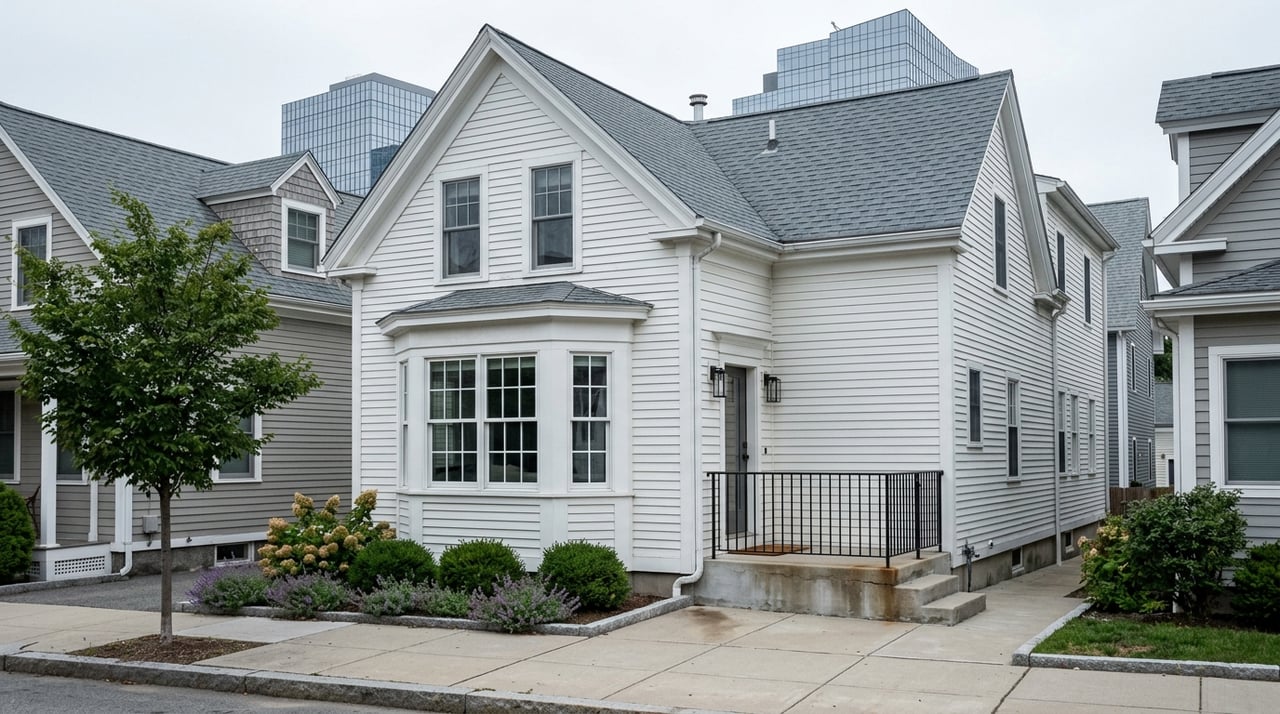
Bayonne stands out in Hudson County because it feels more like a lived-in city than a pure commuter outpost. The city describes itself as a community that still retains many elements of a small town, with one- and two-family homes, small apartment buildings, and small businesses shaping the local streetscape.
That matters when you are choosing where to live as a commuter. You are not just picking a train line or a bus route. You are also choosing what your evenings, errands, and weekends will feel like once the workday ends.
Bayonne had 74,526 residents in the 2024 ACS and covers 5.8 square miles. Its mean travel time to work was 34.9 minutes, which helps show that commuting is a normal part of daily life here.
Bayonne commuting options to NYC
If you commute to Manhattan, Bayonne can work well, but it helps to go in with the right expectations. This is not a one-seat subway-style setup. The current network is built around NJ TRANSIT buses and the Hudson-Bergen Light Rail, so your commute may involve choosing the route that best matches your office and schedule.
NJ TRANSIT bus routes from Bayonne
NJ TRANSIT bus 119 runs from Bayonne to Jersey City and New York, with weekday and Saturday service. The route begins at 3rd Street and JFK Boulevard in Bayonne, runs through Bayonne and Jersey City, stops at Journal Square for PATH access, continues through Hoboken, and ends at Port Authority Bus Terminal.
NJ TRANSIT bus 120 is another Manhattan option, but it is more limited. It serves Bayonne to Downtown New York on weekday peak hours only, which means it can be useful for certain office schedules but may not be the main choice for everyone.
Light rail access from Bayonne
The Hudson-Bergen Light Rail is a big part of daily mobility in Bayonne. The city’s stops are 45th Street, 34th Street, 22nd Street, and 8th Street, and the line connects Bayonne with Jersey City, Hoboken Terminal, Exchange Place, and Newport Center.
Some service is marked as Bayonne Flyer express, which can be especially appealing if you want to cut down on travel time into the larger Hudson County transit network. For many commuters, the light rail is the piece that makes Bayonne feel connected without requiring you to live in a denser, more expensive core area.
Getting to Downtown Jersey City
If you work in Jersey City instead of Manhattan, Bayonne becomes even easier to picture. NJ TRANSIT bus 81 runs between Bayonne and Exchange Place, which is especially relevant for downtown Jersey City commuters.
That gives you another practical option beyond the light rail. For many buyers and renters, access to both Manhattan and Jersey City adds flexibility if your job changes or your office schedule shifts.
The best Bayonne commute strategy
The best Bayonne setup usually comes down to location within the city. If your home is near a light-rail station or a major bus corridor, daily life tends to feel more convenient because the transit system is built around those connections.
That is one of the most important things to understand before you move. In Bayonne, address choice can have a major impact on how smooth your commute feels from Monday through Friday.
Bayonne housing for commuters
Bayonne offers a broader housing mix than many people expect. According to the city’s draft 2025 Housing Element and Fair Share Plan, Bayonne has an estimated 30,161 housing units, with housing stock led by two-family units at 33.7%, apartment buildings with 10 or more units at 23.5%, and attached or detached single-family dwellings at 20.6%.
For a commuter, that mix is appealing because it creates real options. You may find smaller multifamily properties, older apartment buildings, and single-family homes instead of a market dominated only by large towers.
Older housing stock shapes the market
Bayonne is also an older housing market. The same city plan says the median year of construction is 1955, with more than one-third of housing built before 1940 and more than half built before 1960.
That can be a plus if you like established streets and housing with character. It also means your home search may involve comparing older layouts, varied building conditions, and different levels of renovation rather than expecting every property to feel newly built.
Bayonne and affordability conversations
Bayonne comes up often in affordability discussions for a reason. The 2024 ACS puts the median value of owner-occupied housing units at $491,200, which is below the broader New York-Newark-Jersey City metro median and roughly in line with New Jersey overall.
That does not make Bayonne inexpensive in an absolute sense, but it helps explain why buyers and renters who feel priced out of some nearby markets keep it on their shortlist. You may be able to get more space, a different housing type, or a more residential setting while staying within Hudson County.
Daily life beyond the commute
A good commuter city should work after office hours too. Bayonne offers a neighborhood-scale daily life that includes parks, waterfront areas, civic amenities, and local services without feeling built only around commercial districts.
That balance can make a real difference if you are trying to avoid the feeling that you are just sleeping in one place and living in another. Bayonne gives you places to walk, recharge, and enjoy the weekend close to home.
Parks and waterfront access in Bayonne
Bayonne’s parks system includes several spaces that add to everyday quality of life. Dennis P. Collins Park has walking paths, a fishing pier, a spray park, bocce court, baseball fields, veterans memorials, and parking.
G. Thomas DiDomenico Park includes a municipal pool, amphitheatre, boat launch, walking paths, and courts. 5th Street Walkway Park offers a walking path, benches, and parking.
The city has also continued improving public waterfront access. Hudson County funded part of Bayonne’s waterfront walkway on Newark Bay in 2021, and the city’s 2025 ordinance package includes capital work for a portion of the Hudson River Waterfront Walkway on the peninsula.
Everyday essentials in Bayonne
Bayonne also has the basic institutions that support day-to-day living. Bayonne Public Library at 697 Avenue C remains active in 2026, and Bayonne Medical Center was renamed Bayonne University Hospital in September 2025.
These details may sound small, but they help paint a fuller picture of local life. For many commuters, the right city is not just about getting to work. It is also about having the everyday services and public spaces that make a place feel settled and practical.
Who Bayonne fits best
Bayonne tends to fit best if you want Hudson County access with a more residential setting and you are comfortable planning around bus and light-rail service. It is especially appealing if you value a mix of older housing stock, neighborhood streets, and waterfront access over a perfectly seamless one-line commute.
For some people, that trade-off feels worth it right away. You may gain more space, more housing variety, and a quieter day-to-day environment while still keeping Manhattan and Jersey City within reach.
If you want a direct subway-style ride from your door, Bayonne may not be the perfect match. But if you are open to a commute that is workable, flexible, and often improved by choosing the right location near transit, Bayonne can be a very smart option.
One more practical note: a Bayonne-New York ferry terminal is still a future project. Ground was broken in December 2025, and a March 2026 city notice showed the project was still in progress, so ferry service should be viewed as a possible future bonus, not the foundation of your move decision today.
If you are weighing Bayonne against other Hudson County commuter markets, the best next step is to compare housing type, block-by-block transit access, and your actual weekday routine. If you want help narrowing down the right fit, Sonia Dasilva can help you explore Bayonne and nearby commuter-friendly options across Hudson County.
FAQs
Is Bayonne good for commuting to Manhattan?
- Yes, Bayonne can work well for Manhattan commuters, especially if you live near a major bus corridor or a Hudson-Bergen Light Rail stop and are comfortable with a commute built around buses and rail connections.
What transit options do Bayonne residents use to reach NYC?
- Bayonne commuters commonly use NJ TRANSIT bus 119 to Port Authority, bus 120 for weekday peak-hour service to Downtown New York, and the Hudson-Bergen Light Rail for connections through Jersey City and Hoboken.
Is Bayonne a good choice for commuting to Downtown Jersey City?
- Yes, Bayonne has practical access to Downtown Jersey City through the Hudson-Bergen Light Rail and NJ TRANSIT bus 81 to Exchange Place.
What kind of housing can you find in Bayonne?
- Bayonne offers a mix of two-family homes, apartment buildings, and attached or detached single-family homes, with much of the housing stock built before 1960.
Does Bayonne feel urban or suburban for commuters?
- Bayonne feels more residential and neighborhood-oriented than a pure office-district commuter market, with a small-business streetscape, older housing stock, parks, and waterfront access.
Is there ferry service from Bayonne to New York now?
- No, a Bayonne-New York ferry terminal project is in progress, so current move decisions should be based on the existing bus and light-rail network instead of future ferry access.